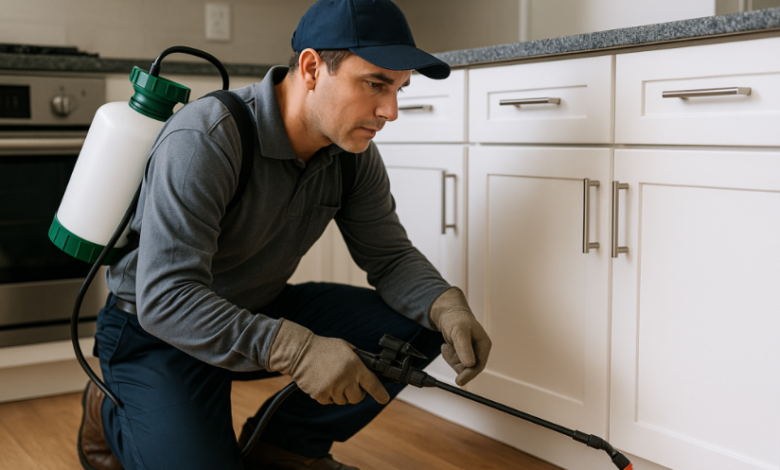
There’s an all-too-common story that plays out after a renovation: the builders leave, the dust settles, and the space looks amazing, then cockroaches scuttle across the floor, ants march along new skirting boards, or rodents begin appearing in kitchens and living areas. Most homeowners assume these pests are new arrivals or a sign that something’s “wrong” with the renovation.
But the truth is usually connected to how construction work disturbs and exposes conditions that pests were already taking advantage of. Renovations unintentionally create openings, disruptions and environmental changes that make your home more attractive, or easier, for pests to occupy.
How Renovations Disturb Existing Pest Colonies
Before a renovation begins, wall cavities, floor spaces, and hidden voids often act as undisturbed habitats for insects, rodents and other pests. Cockroaches may be tucked behind cabinetry, ants nestled in woodwork, and rodents inhabiting insulation or gaps under flooring. When walls are opened, floors lifted, or cabinets removed, that quiet environment is suddenly disrupted and disturbed.
Construction noise, vibration and sudden exposure to light force pests to flee their nests and relocate, bringing them into view for the first time. This disturbance not only exposes hidden pests but also forces them into living spaces seeking food, water and new shelter.
New Entry Points Created During Construction
Another major reason pests show up after renovations is that construction work often leaves new or larger gaps and openings in your home’s structure. Whether it’s unsealed penetrations for pipes, wiring, vents or other systems, or narrow spaces left beneath newly installed fixtures, these gaps act as highways that pests love to use.
For example, when trades install a granite countertop Sydney homeowners choose, access panels or chase spaces underneath can be left unsealed. These tiny openings are all a cockroach, ant, or mouse needs to slip between wall cavities and living spaces, especially when work is ongoing, and external doors or windows are left open for materials and workers to pass through.
Even minor construction gaps around plumbing and electrical fixtures provide enough access for pests. Some insects, like ants or spiders, can squeeze through cracks no wider than a thread; rodents can exploit larger gaps and chew their way through soft materials. Because these new entry points are often only visible once walls are finished, many homeowners don’t realise pests are flooding in until it’s too late.
Moisture and Food Sources That Attract Infestations
Renovation sites are inherently messy and dynamic environments. During construction, there’s increased movement of people, tools and materials, and that inevitably leads to dust, debris and moisture in unexpected places.
Construction dust can mix with moisture from plumbing work or changes to airflow, creating a damp, dusty environment that many pests find attractive. Moisture attracts cockroaches, silverfish and ants, while wood scraps, cardboard, drywall and other construction materials provide nesting materials and shelter.
Leaving food and drink out during a renovation, whether from workers taking breaks or residents using the space during gaps in construction, can also create inviting food sources. Small crumbs that go unnoticed can quickly encourage ants or cockroaches to stick around. And because the usual sanitation routines and closed spaces of everyday life are disrupted during renovations, pests have more opportunities to access these resources than they would in a fully sealed home.
Why Pest Problems Get Worse If Ignored
Once pests gain access and establish new pathways through gaps in your walls and floors, their populations can multiply rapidly. Many insects and rodents reproduce quickly when they find secure shelter and reliable food sources. If pest activity isn’t addressed early, the areas behind walls and beneath floors become breeding grounds, allowing new colonies to grow unseen.
Once you seal walls or close up cabinetry without dealing with the pests first, you risk literally trapping pests inside your finishes, where they continue to breed and eventually emerge in the most inconvenient places.
This phenomenon is especially true for hidden pests such as cockroaches or ants that thrive in warm, quiet spaces and bark beetles or other insects that nest in timber structures. Ignoring early signs means that by the time you see a few pests in living areas, their population may already be substantial, making control more difficult and costly.
See also: Free AI Humanizer Tools to Boost Your Blog Traffic
Treating the Problem Properly
The smartest way to manage pest risk during a renovation is to integrate pest management into your project plan, not just leave it as an afterthought at the end. A professional approach recognises that renovations disrupt both the physical environment and any existing pest habitats.
Engaging pest control services before construction begins allows professionals to inspect the property, identify existing pest activity and treat nesting areas when they are still accessible. Treatment before walls and floors are closed up dramatically improves the likelihood that pests will be eliminated at the source.
During the renovation, periodic checks help ensure that new gaps are sealed and pest pressure has not increased. Finally, a follow-up professional pest control visit after the work is complete helps confirm that pests haven’t taken advantage of the temporary openings and debris left behind.
This holistic approach addresses pests proactively rather than reactively. Simply spraying visible bugs once or waiting until you see them in the kitchen will rarely solve an infestation that has taken hold behind walls or under floors. Professional pest control treatments can include sealing entry points, applying targeted baits and monitoring for initial signs of re-infestation.
Conclusion
Renovations are meant to improve your home, not introduce unwanted guests. Yet because the work involves disruption, open walls, temporary gaps and sometimes increased moisture and food sources, pests often respond by becoming more visible or moving into areas they previously avoided. The good news is that renovating doesn’t have to mean a pest problem if you take sensible steps to manage pest activity before, during and after the renovation.
Scheduling professional pest treatment as part of your renovation plan, ensuring all new and old gaps are properly sealed, and maintaining a clean, dry work environment are all part of preventing pests from taking up residence in your newly improved space. Beautiful finishes and thoughtful design are for living, not for critters.
FAQs
Why do pests always show up after a renovation?
Renovation work disturbs existing pest habitats and creates gaps or openings that allow pests into spaces they previously avoided.
Are pests already inside my house before renovation?
Often, yes. Many pests live quietly in wall cavities, under flooring or behind cabinets until construction disrupts their environment.
Can construction debris attract pests?
Yes. Dust, wood scraps and unused materials offer shelter and sometimes food for pests, which can then migrate into finished areas.
How can I prevent pests during renovation?
Keep the site clean, seal gaps as they appear, and work with pest control services to inspect and treat high-risk areas.